
The Journal.
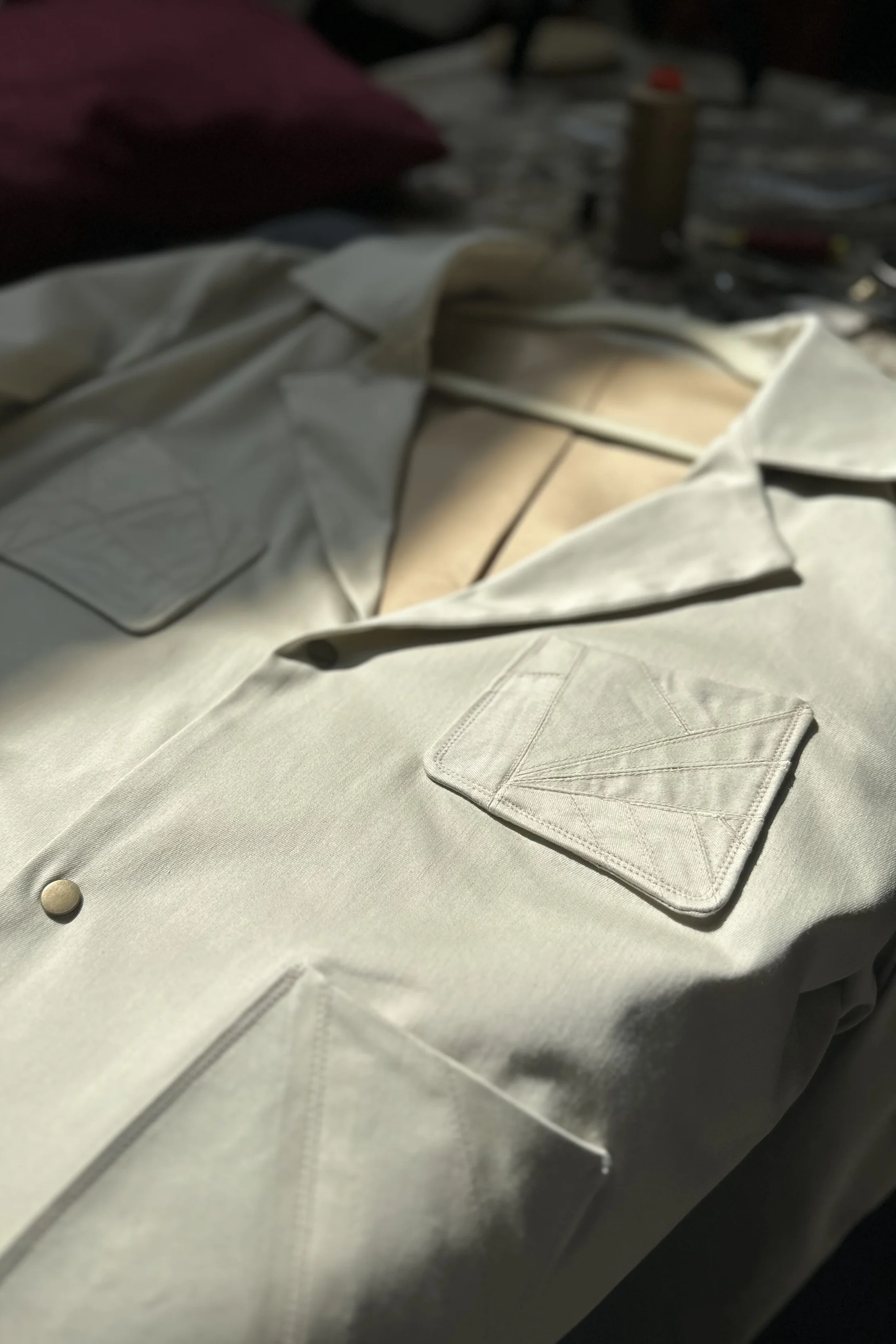
In its Journal, the Maison explores the history of women's tailoring, life behind the scenes at Sandra Loï, notes on style and the questions surrounding bespoke creation.
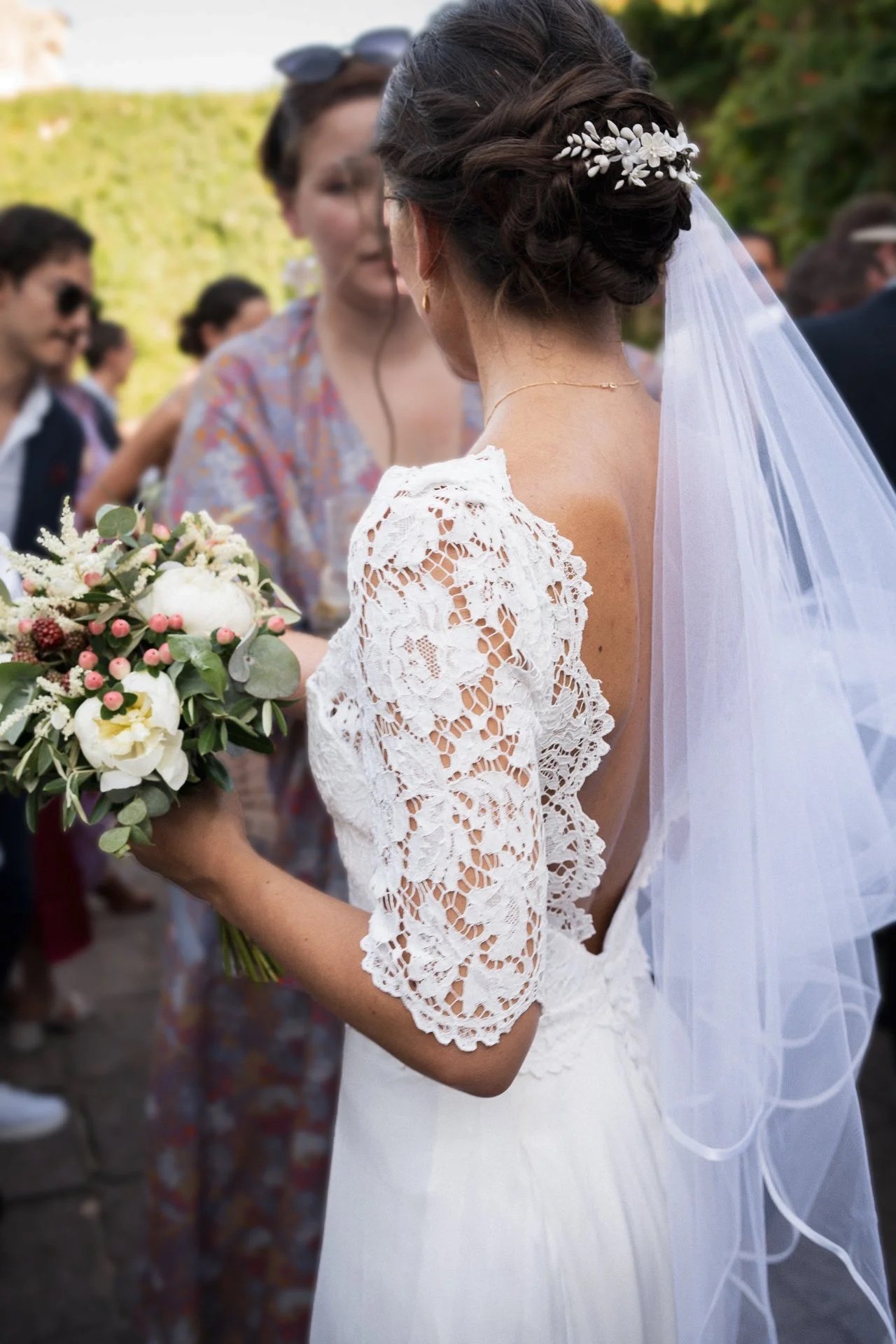
A dress or a suit for a civil wedding: start with the day itself
Choosing a civil wedding outfit becomes easier when we stop opposing the romantic dress and the assertive suit. A dress can be graphic; tailoring can be soft and delicate. The meaningful differences emerge through volume, movement and how you want to experience the day. The choice concerns an experience as much as an image, and deserves to begin there.
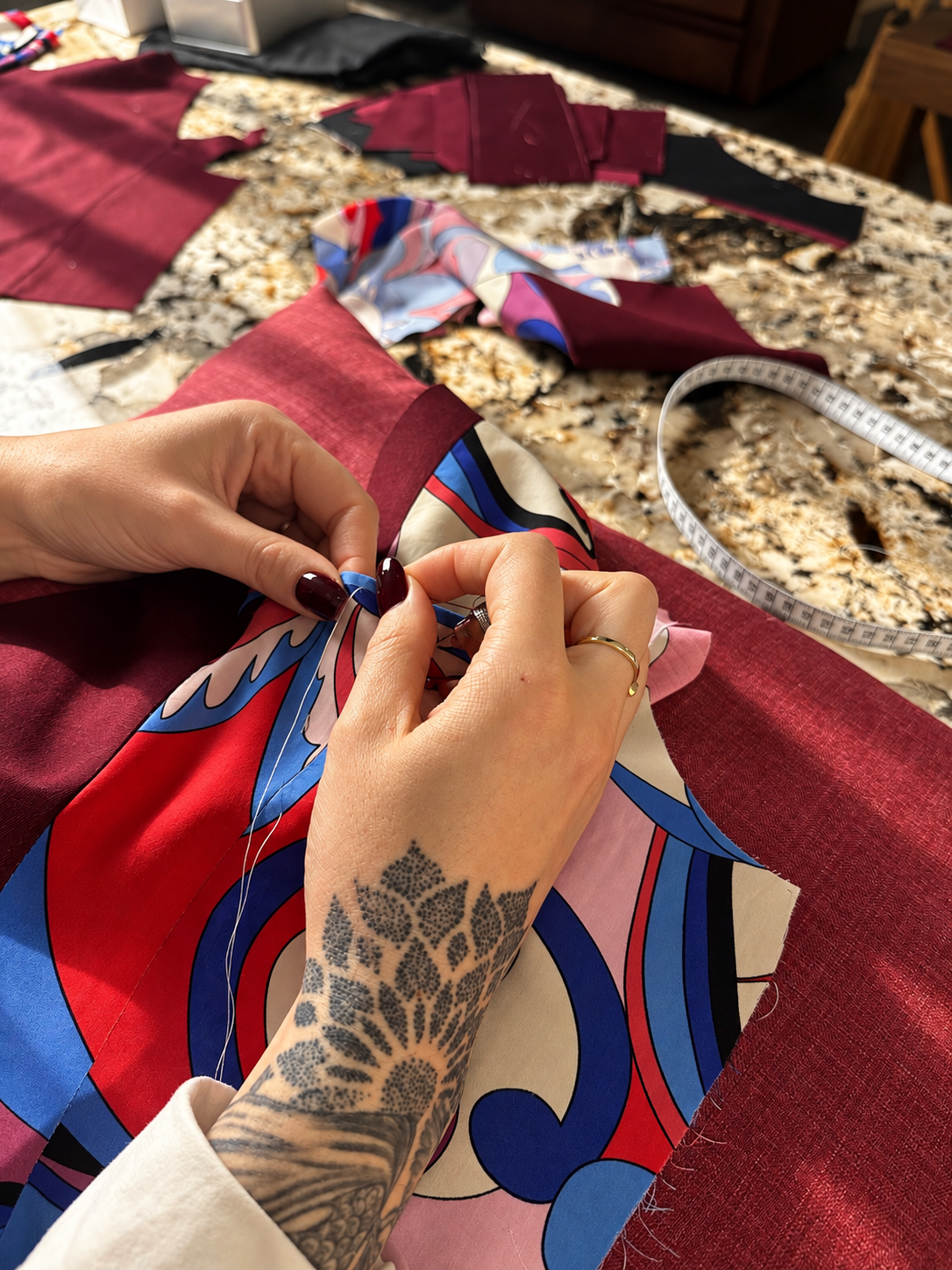
The price of bespoke: understanding what a quote includes
Comparing a bespoke suit commission with a garment in a shop means looking at what is actually being offered. Fabric matters, alongside design, fittings, details and the scope of the service. There is no automatic price hierarchy covering every category. A quote becomes useful when it is connected to a defined project and makes clear what will be included in bringing that project to life.

The bespoke experience: preparing for each stage
A first meeting often raises practical questions. Do you need to know exactly what garment you want, bring photographs or have a fabric in mind? A bespoke suit project can begin with an open idea and develop through a sequence of decisions. Understanding the purpose of each stage allows you to participate with confidence, without needing to know the technical language of tailoring.
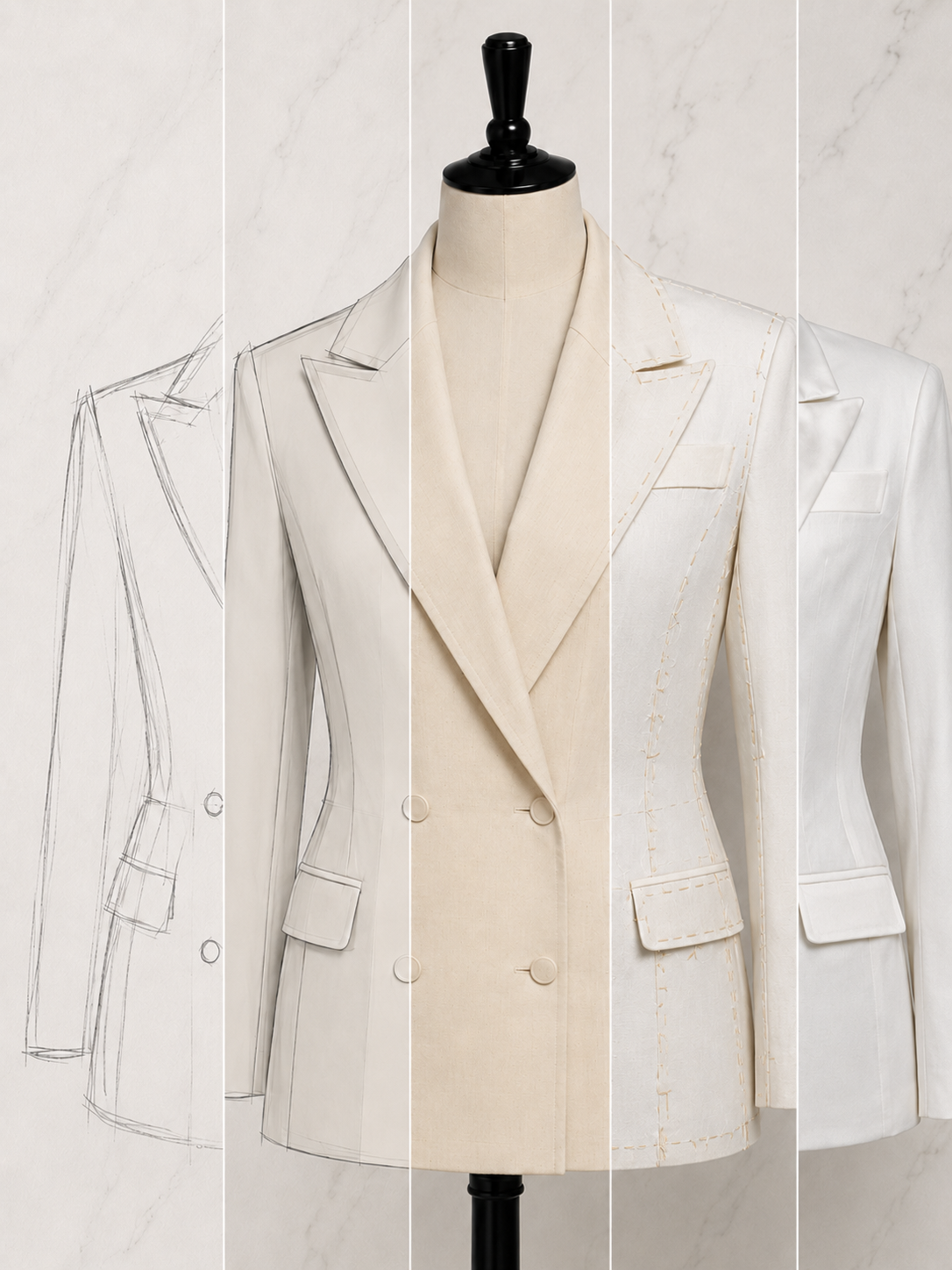
Made-to-measure and bespoke: the method behind the words
Made-to-measure, bespoke, sur-mesure and grande mesure are sometimes used as if they were interchangeable. Yet they can point towards different methods and different degrees of individual development. When commissioning a suit, the useful questions concern its starting point, the role of fittings and the decisions genuinely open to you. Precise language should clarify the offer rather than take the place of an explanation.