
The Journal.
In its Journal, the Maison explores the history of women's tailoring, life behind the scenes at Sandra Loï, notes on style and the questions surrounding bespoke creation.
Renting a couture piece: choosing an outfit for one evening
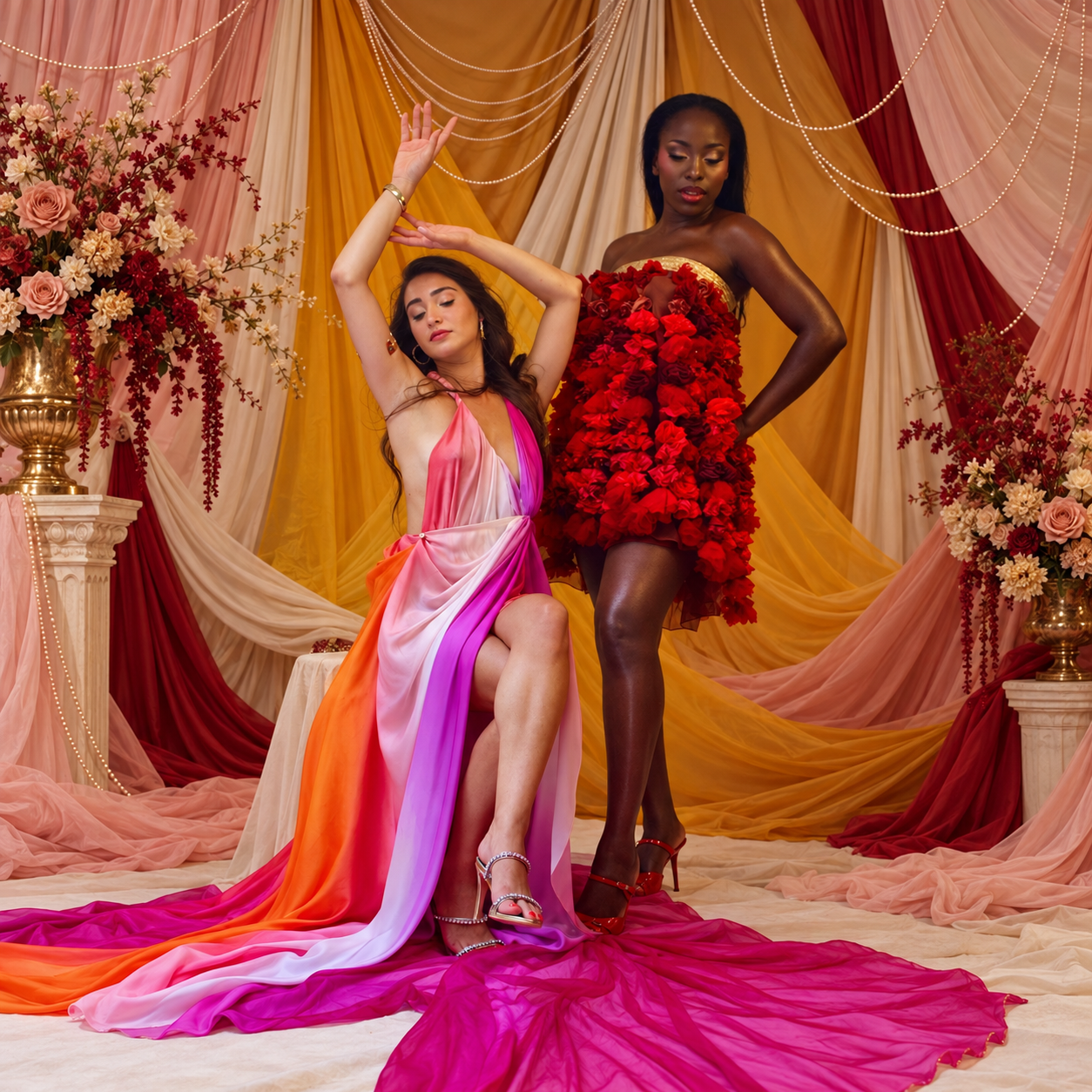
An invitation can prompt the desire for a silhouette you might wear only rarely. Rental offers a possibility: choosing a creation for a particular moment. The garment, its intended use and the rental terms need to work together so that the experience can be enjoyed fully.
The wedding outfit after the wedding: thinking beyond the first day
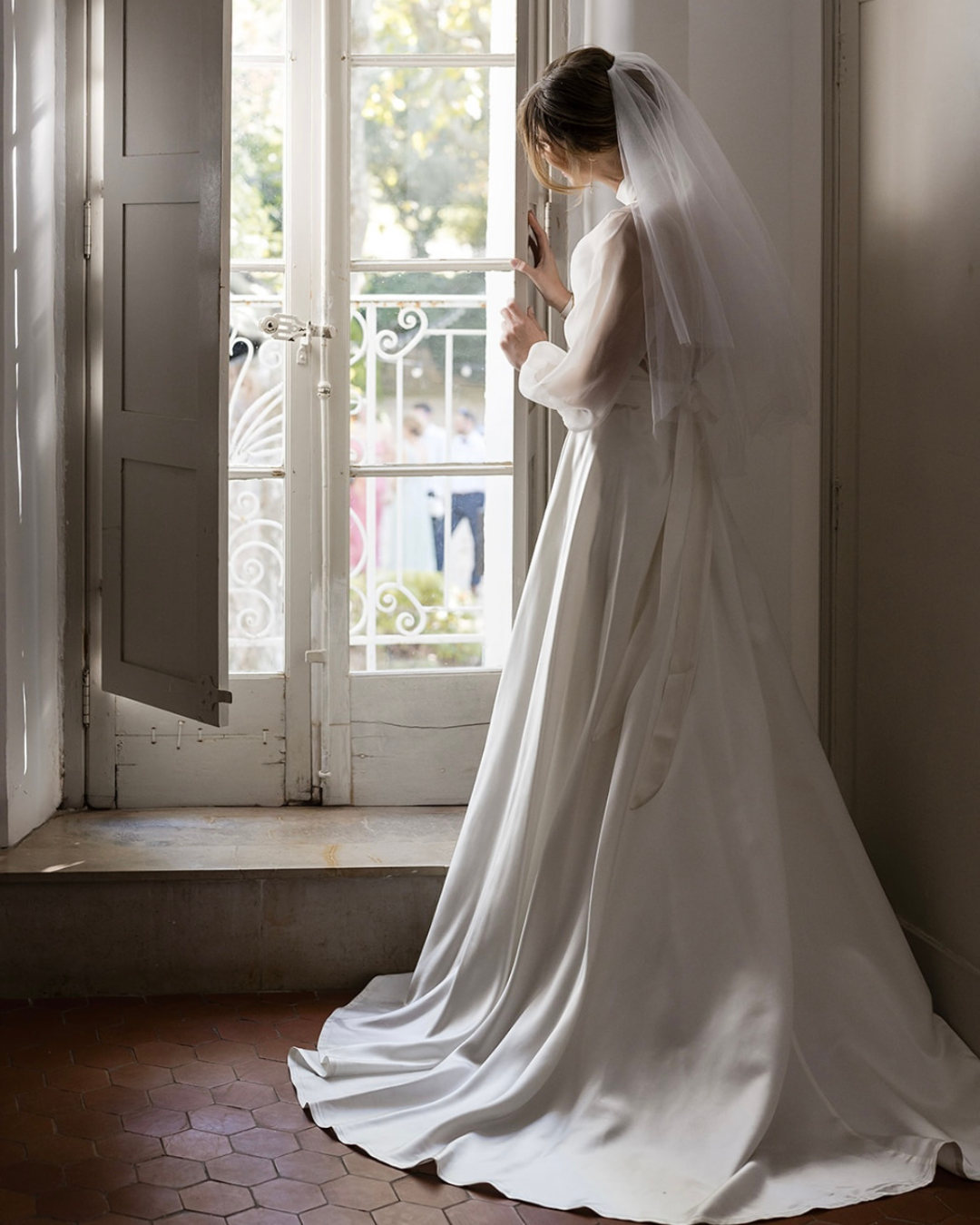
A wedding outfit can retain its symbolic force while finding other occasions to be worn. Transformable designs and stories of reimagined dresses are contributing to this conversation in 2026. For a bespoke project, the useful distinction is between what you want to preserve, separate or change.
When clothing tells a story: from artwork to silhouette
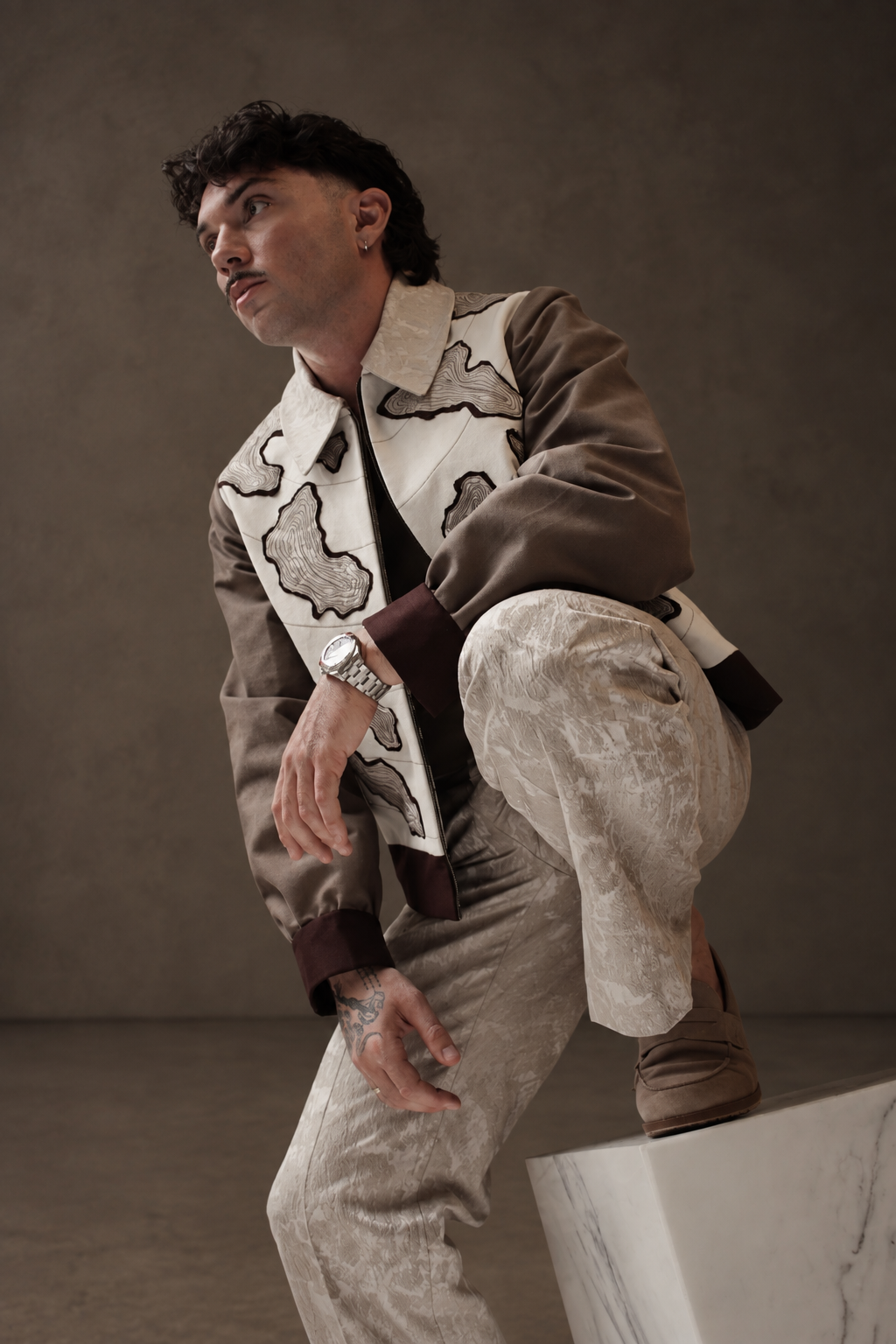
How does an idea become a cut? “Costume Art”, presented at the Metropolitan Museum of Art in 2026, brings clothing and artworks into dialogue through the dressed body. It invites us to explore another translation: the passage from a story into material, proportion and movement.
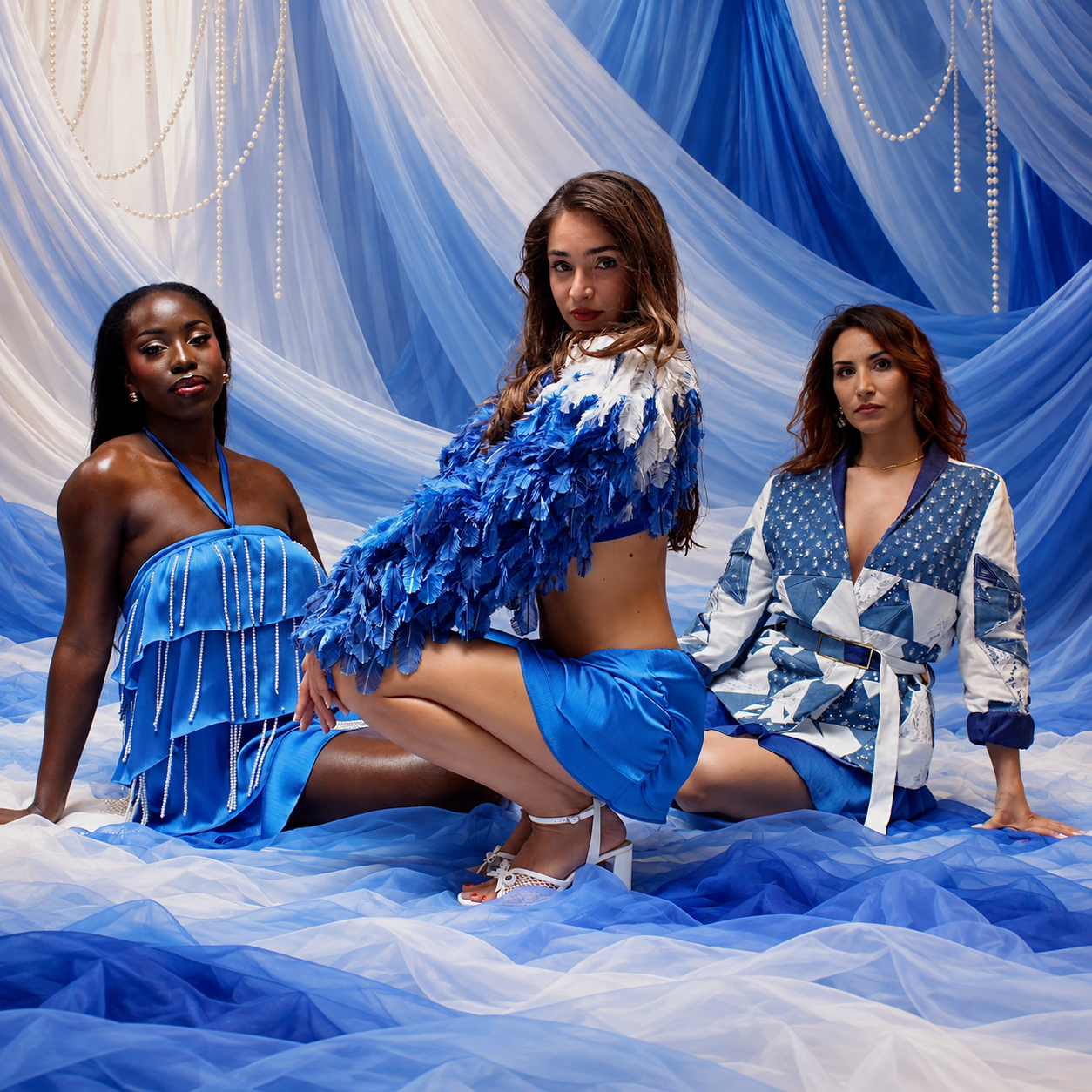
Flowers, fabric feathers and relief: how to look at textile ornament
On a screen, we may see a flower without noticing the assembly that makes it possible. In Paris, the exhibition “Tisser, broder, sublimer” encourages a slower look. It offers a way to understand how textile ornament changes a surface, a movement and our perception of a silhouette.
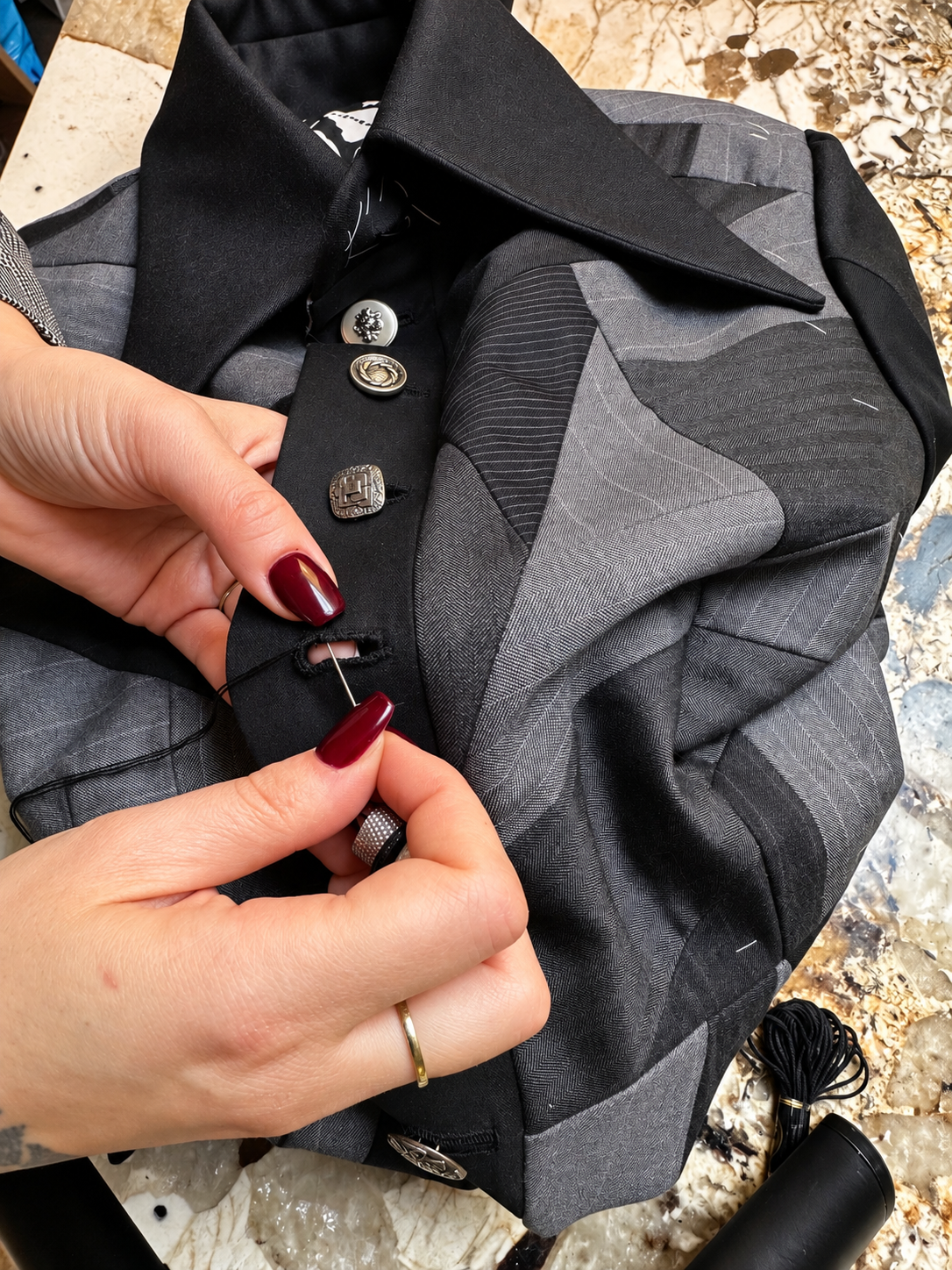
A different kind of suit: reading the language of patchwork
A stripe changes direction. Two neighbouring shades meet. A seam becomes part of the composition. Patchwork invites us to see clothing as a relationship between fragments. For tailoring, a particular focus at Sandra Loï, this opens a rich field of possibilities.
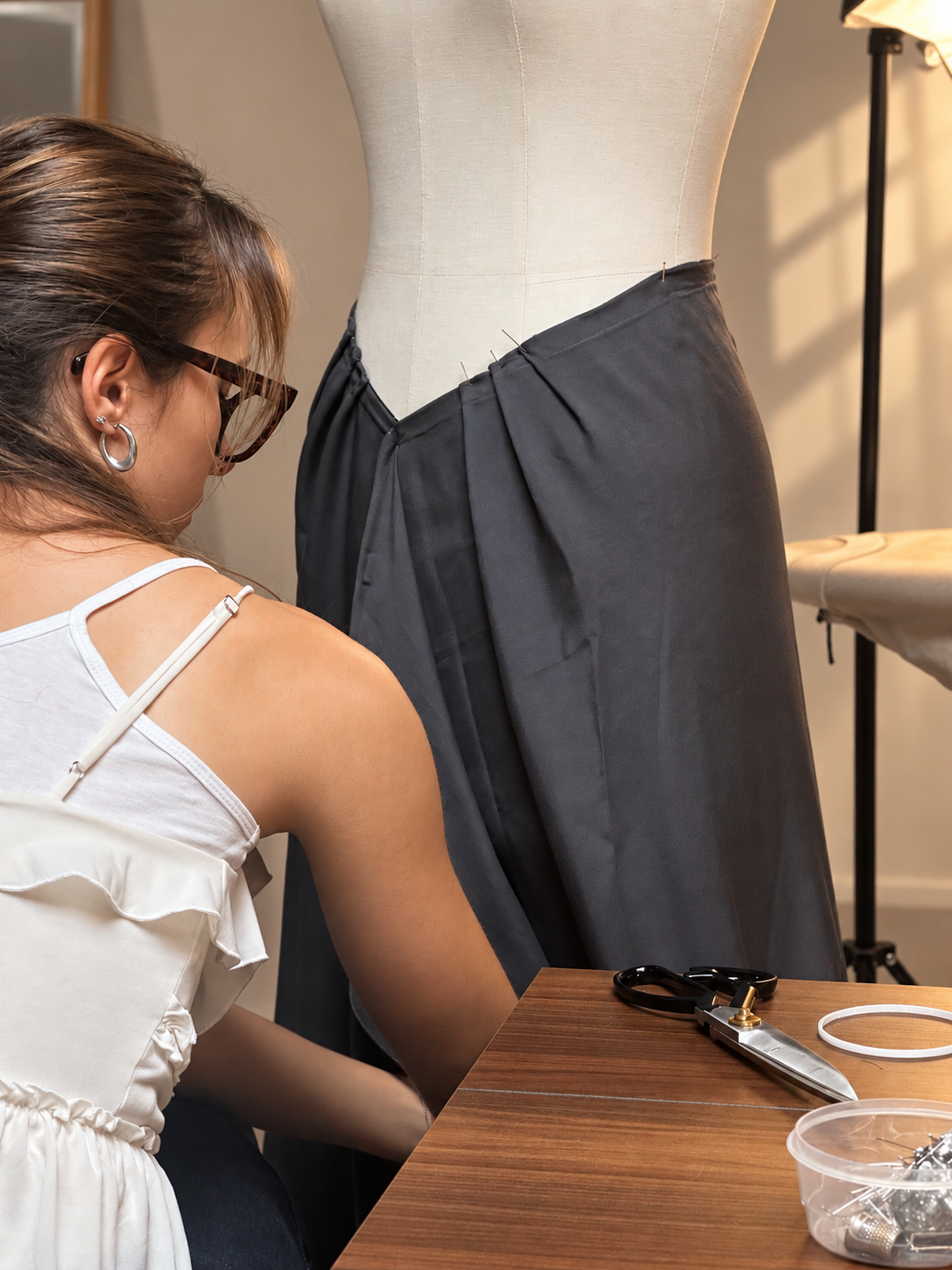
A softer suit: what fluid tailoring changes
A jacket can define a shoulder while leaving room for movement. The Spring/Summer 2027 collections invite a closer look at where a suit needs structure, and where it can offer freedom.
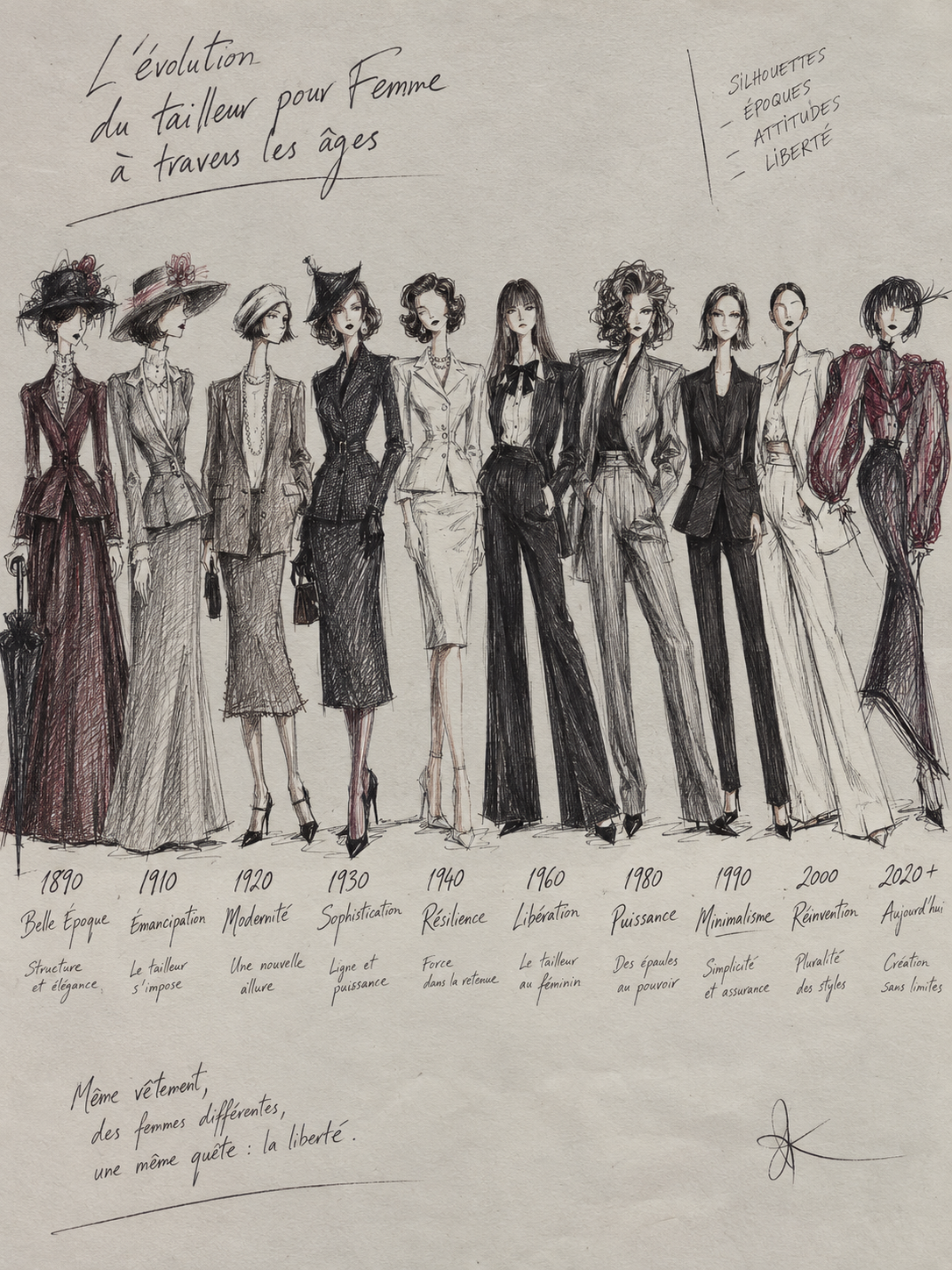
The history of the women’s suit: more than one route to freedom
Skirt suit, trouser suit, tuxedo: the women’s suit brings together silhouettes whose histories are not interchangeable. To understand the ensemble, we need to consider what it allows its wearer to do as well as how it looks. A few carefully chosen moments reveal its ability to change meaning while retaining a recognisable structure.
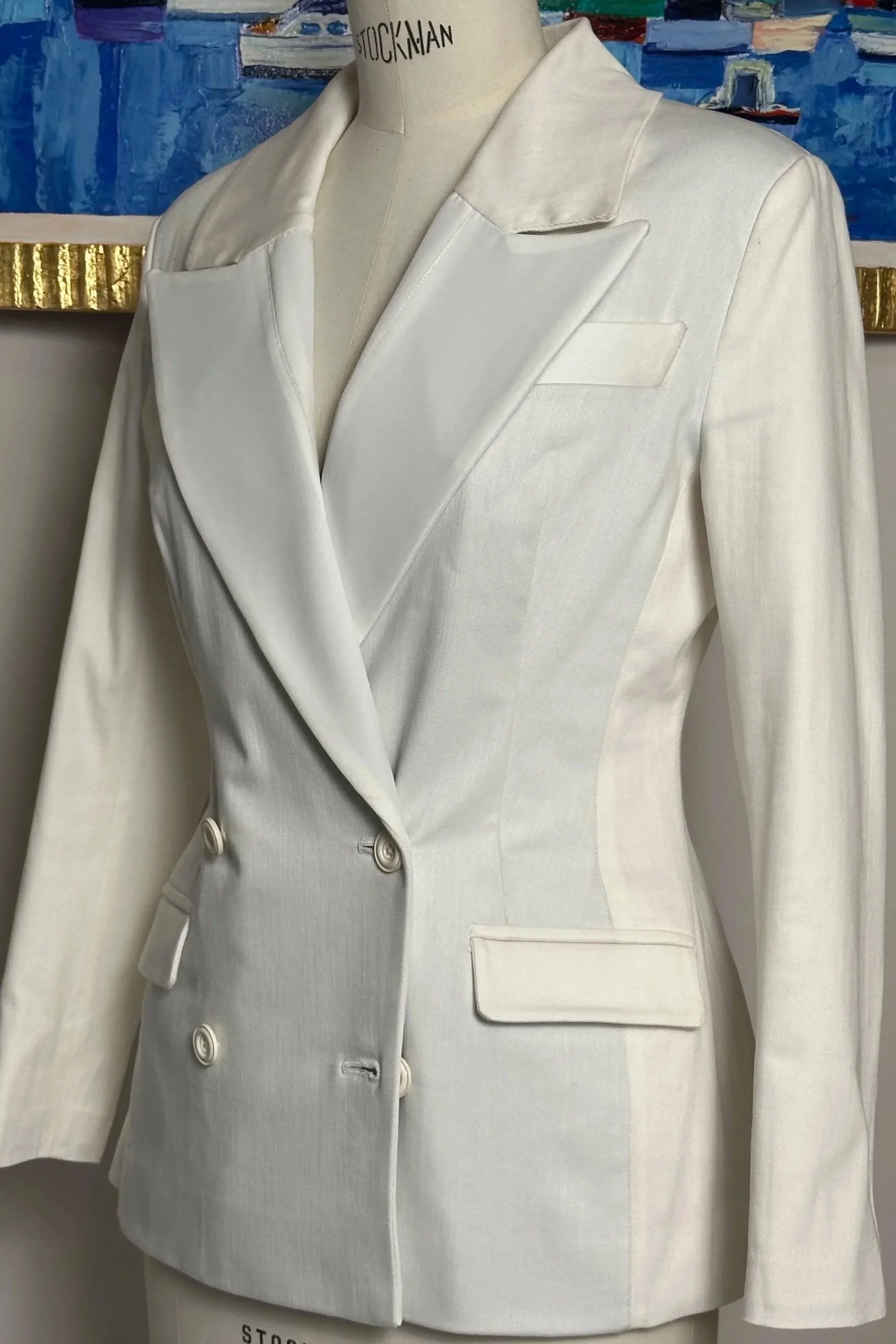
A bespoke suit: what makes a silhouette feel coherent
Sometimes we notice a suit before identifying its cloth or details. The proportions of its upper and lower halves, their fabric and the way the ensemble is worn seem to share one intention. That coherence does not come from a universal formula. It develops through connected decisions, then finds its test on the wearer, in her movements and in everyday life.
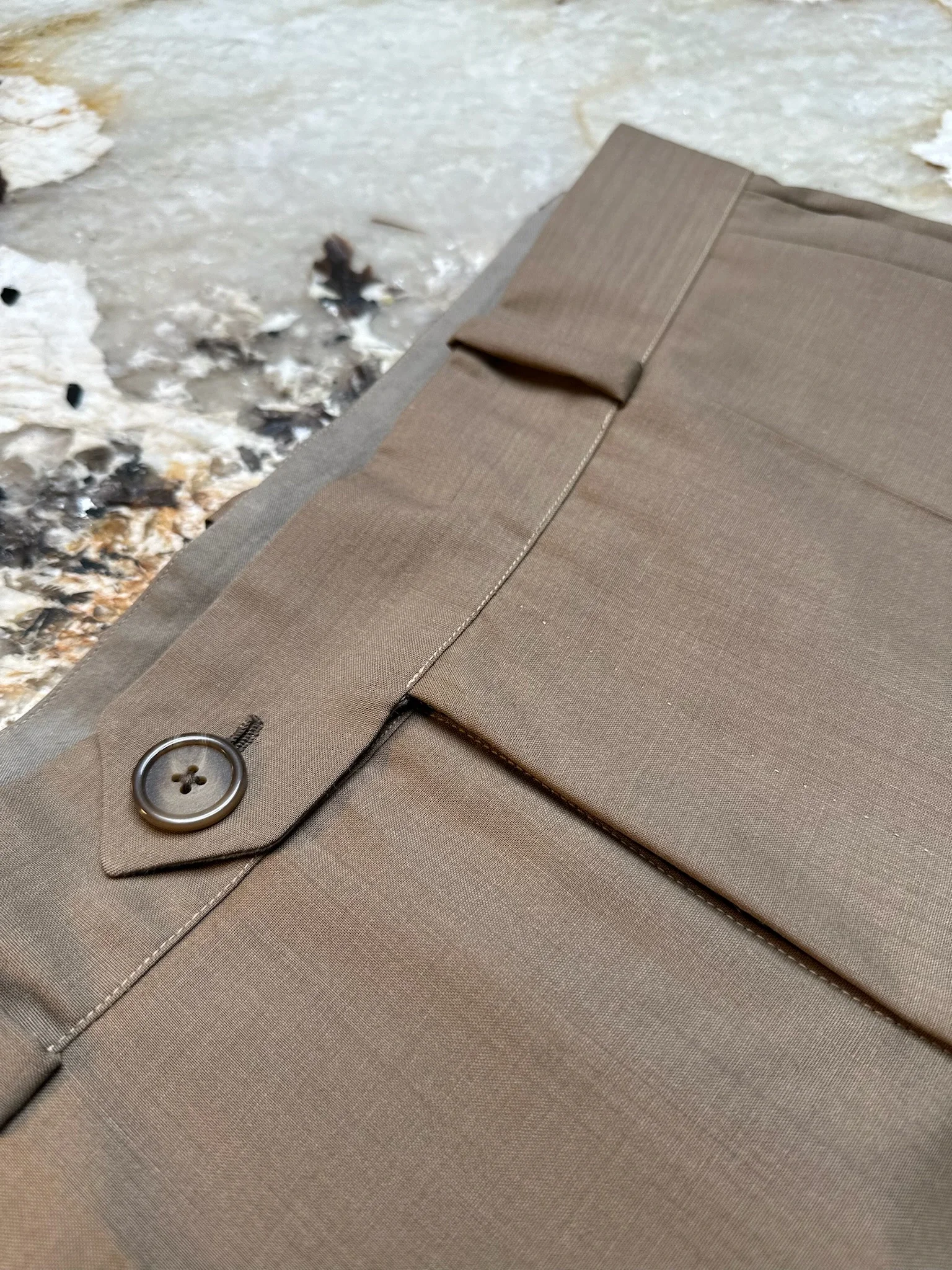
The drape of bespoke trousers: what to notice at a fitting
In a trouser suit, the drape of the lower half shapes much of the silhouette. Trousers follow a stride, fold when we sit, meet the shoe and settle again when we stand. Their drape depends on all these situations, as well as their line in a mirror. A fitting brings those observations together, seeking a balance between the suit’s intended design and the comfort the wearer actually feels.
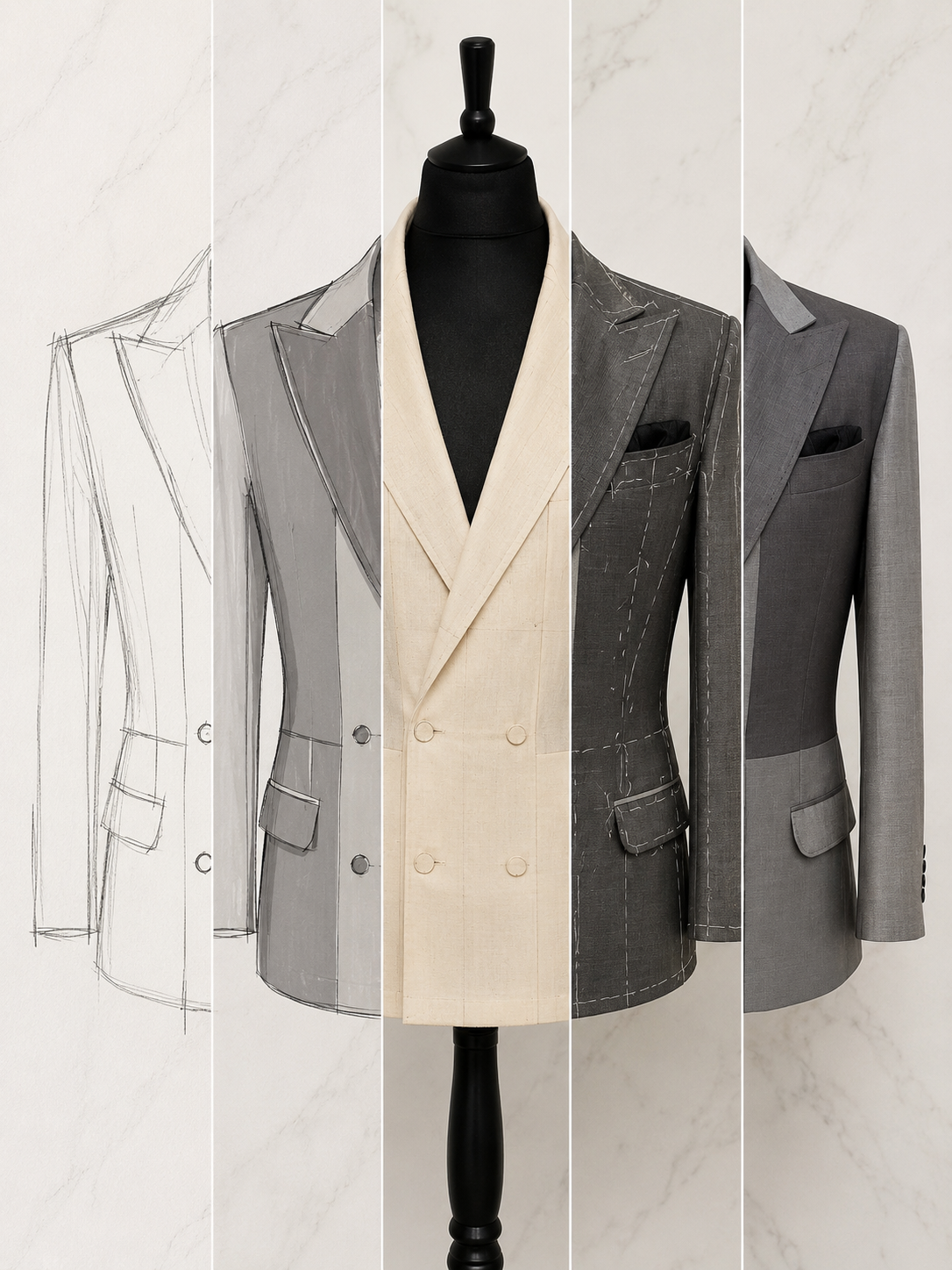
Creating a bespoke suit: understanding the time involved
How many hours does a bespoke suit take to make? The question seems to call for a number, yet two ensembles can involve very different work. The cut of the trousers or skirt, the jacket’s construction, patchwork and ornament all belong to the same project. To understand the time behind a suit, it helps to follow the decisions that develop the whole silhouette rather than look for one duration that applies to every commission.
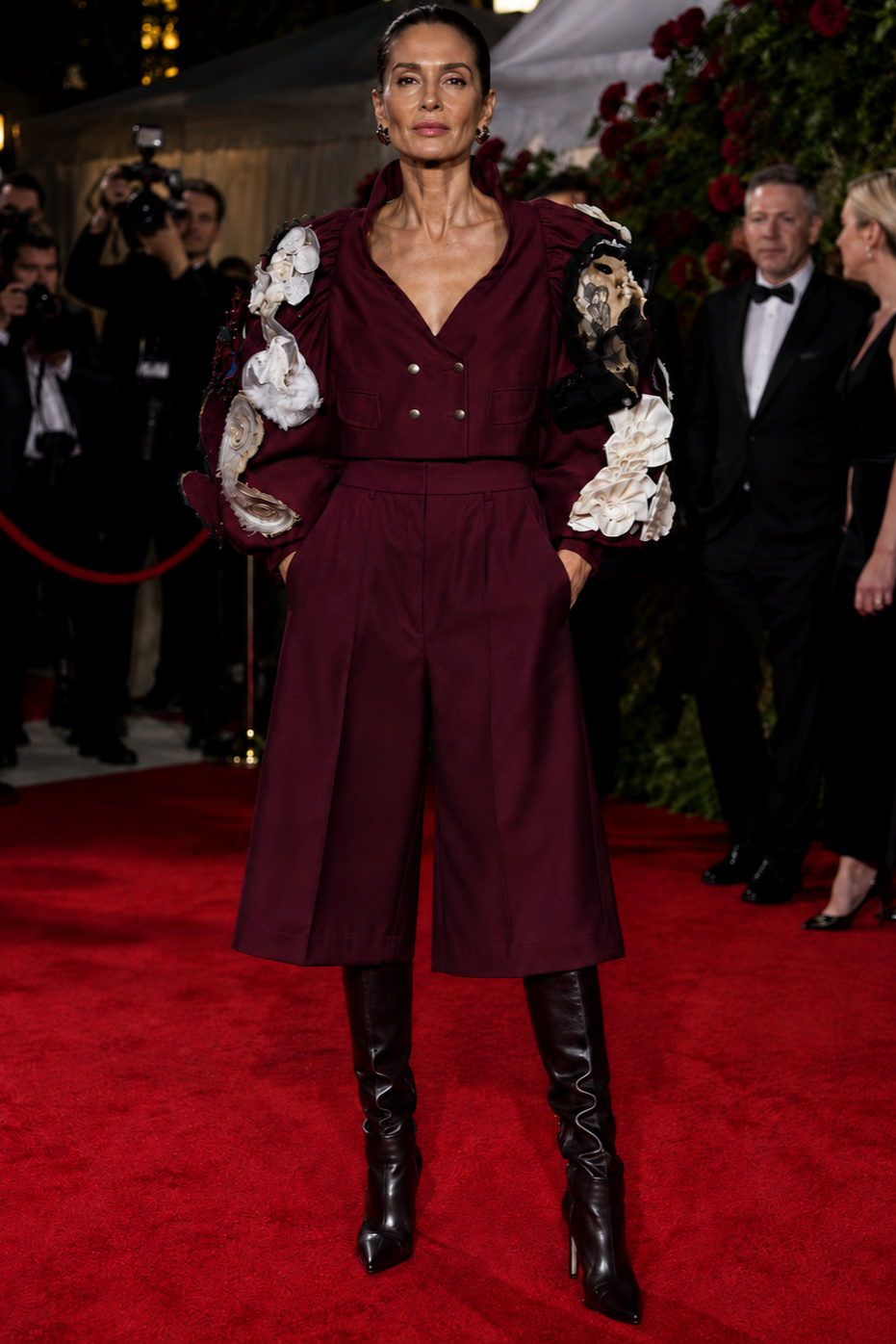
Gaïa: the couture suit, from atelier work to silhouette
The Gaïa suit is first understood as a silhouette: deep burgundy, a cropped upper half, a double-breasted front and balloon sleeves that relate to the line below. Within this ensemble from Le Vestiaire des Immortels, the jacket concentrates much of the work on volume and ornament. Atelier photographs connect the worn silhouette with its construction details. The 130 hours of creation recorded by the Maison gain a tangible context, without reducing the suit to a number.
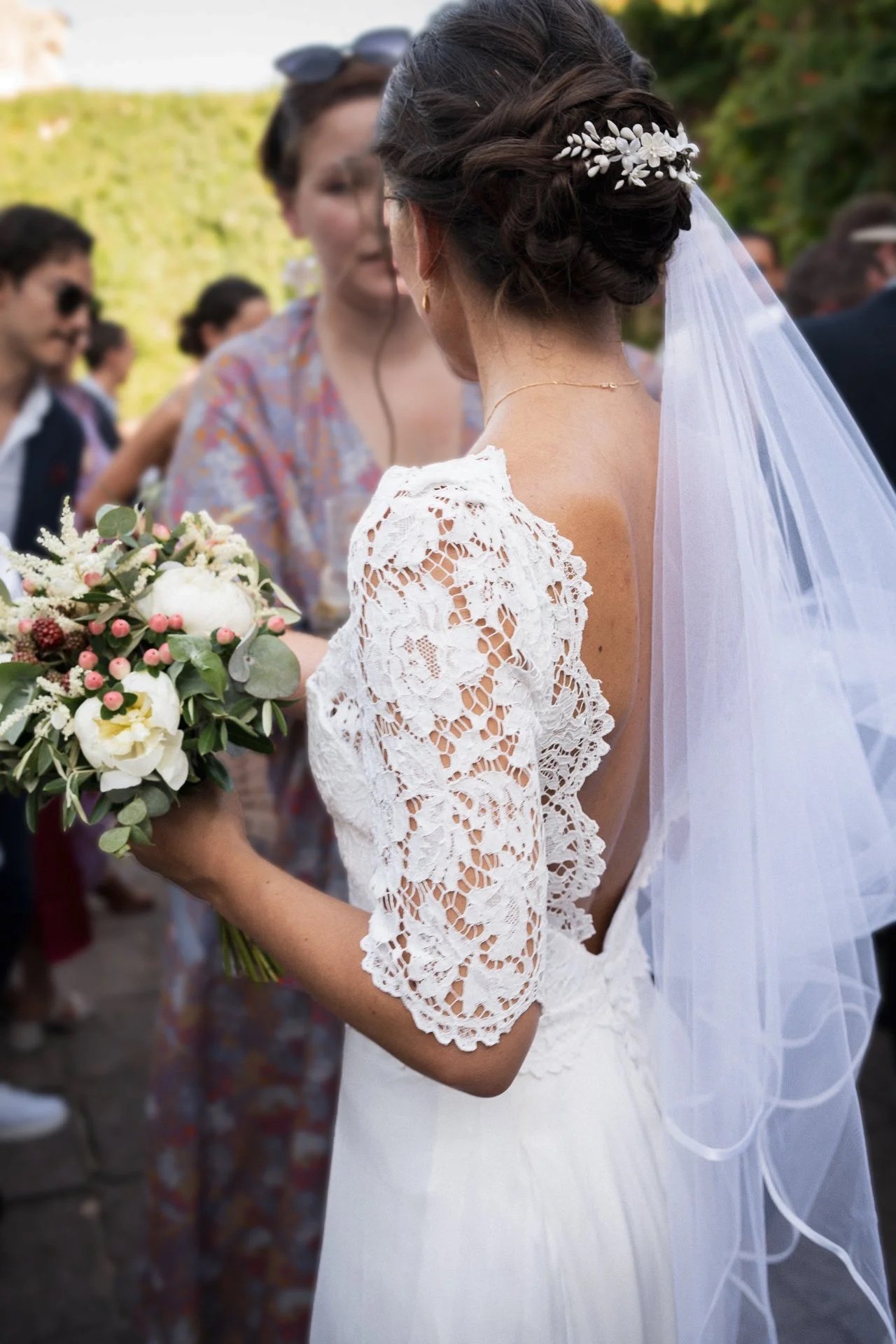
A dress or a suit for a civil wedding: start with the day itself
Choosing a civil wedding outfit becomes easier when we stop opposing the romantic dress and the assertive suit. A dress can be graphic; tailoring can be soft and delicate. The meaningful differences emerge through volume, movement and how you want to experience the day. The choice concerns an experience as much as an image, and deserves to begin there.
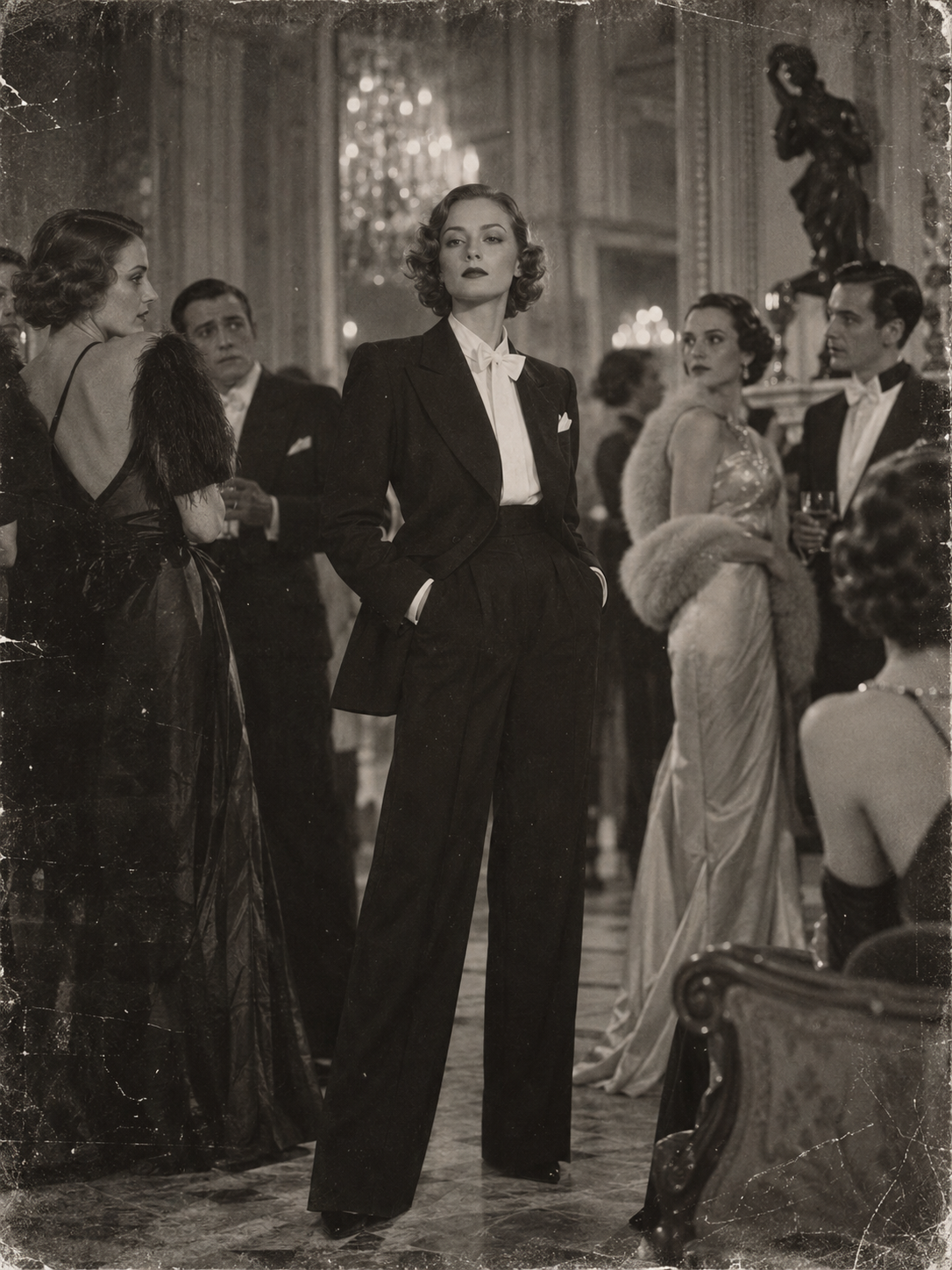
Why the women’s suit continues to shift dress codes
A suit can suggest work, ceremony, restraint or fantasy. Its meaning depends on its proportions, what accompanies it and how it is worn. The women’s suit remains interesting because it preserves recognisable signs while allowing them to move. Its appeal lies in that range of readings, rather than in a single intention to attract attention or refuse it.
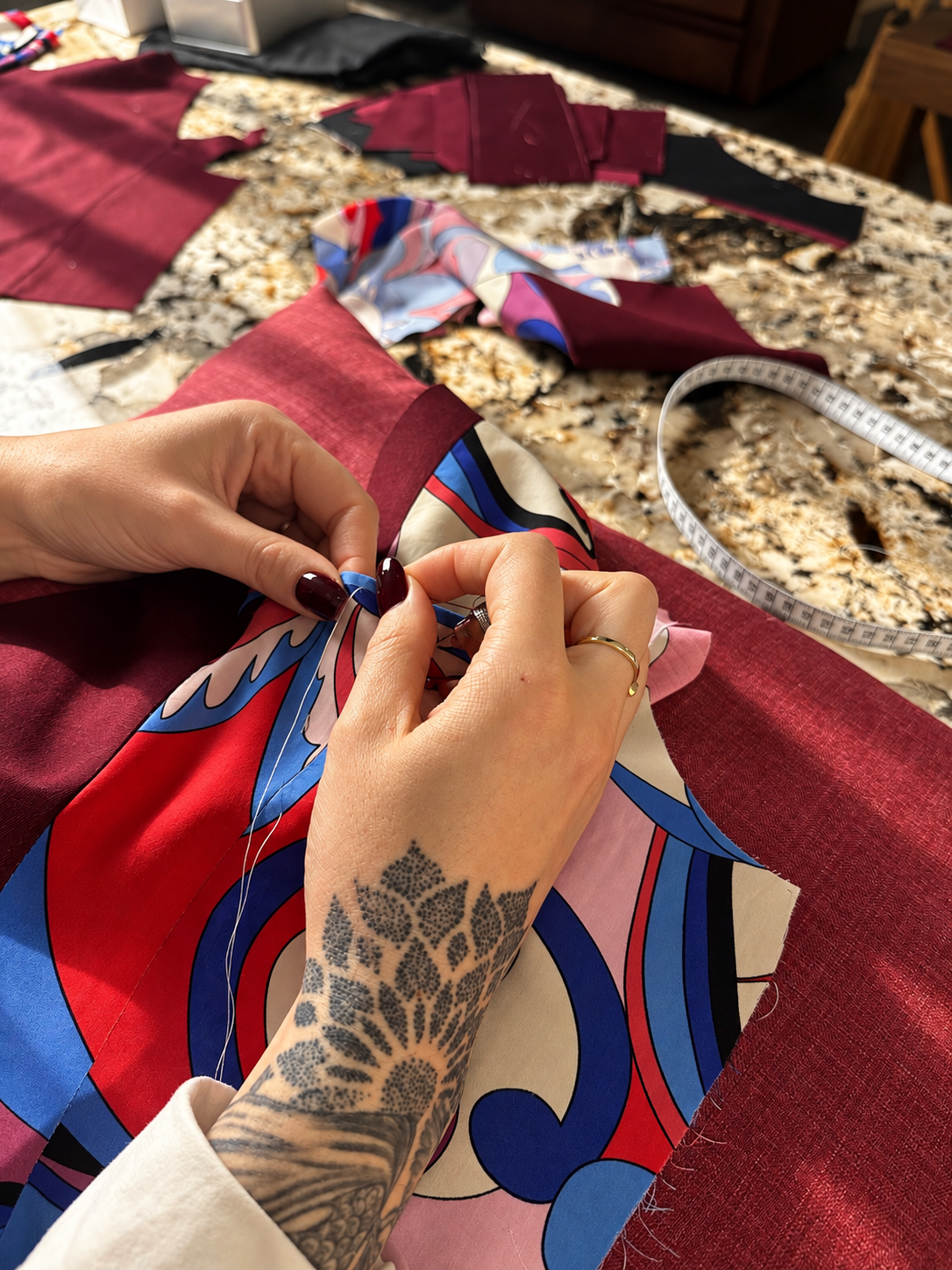
The price of bespoke: understanding what a quote includes
Comparing a bespoke suit commission with a garment in a shop means looking at what is actually being offered. Fabric matters, alongside design, fittings, details and the scope of the service. There is no automatic price hierarchy covering every category. A quote becomes useful when it is connected to a defined project and makes clear what will be included in bringing that project to life.
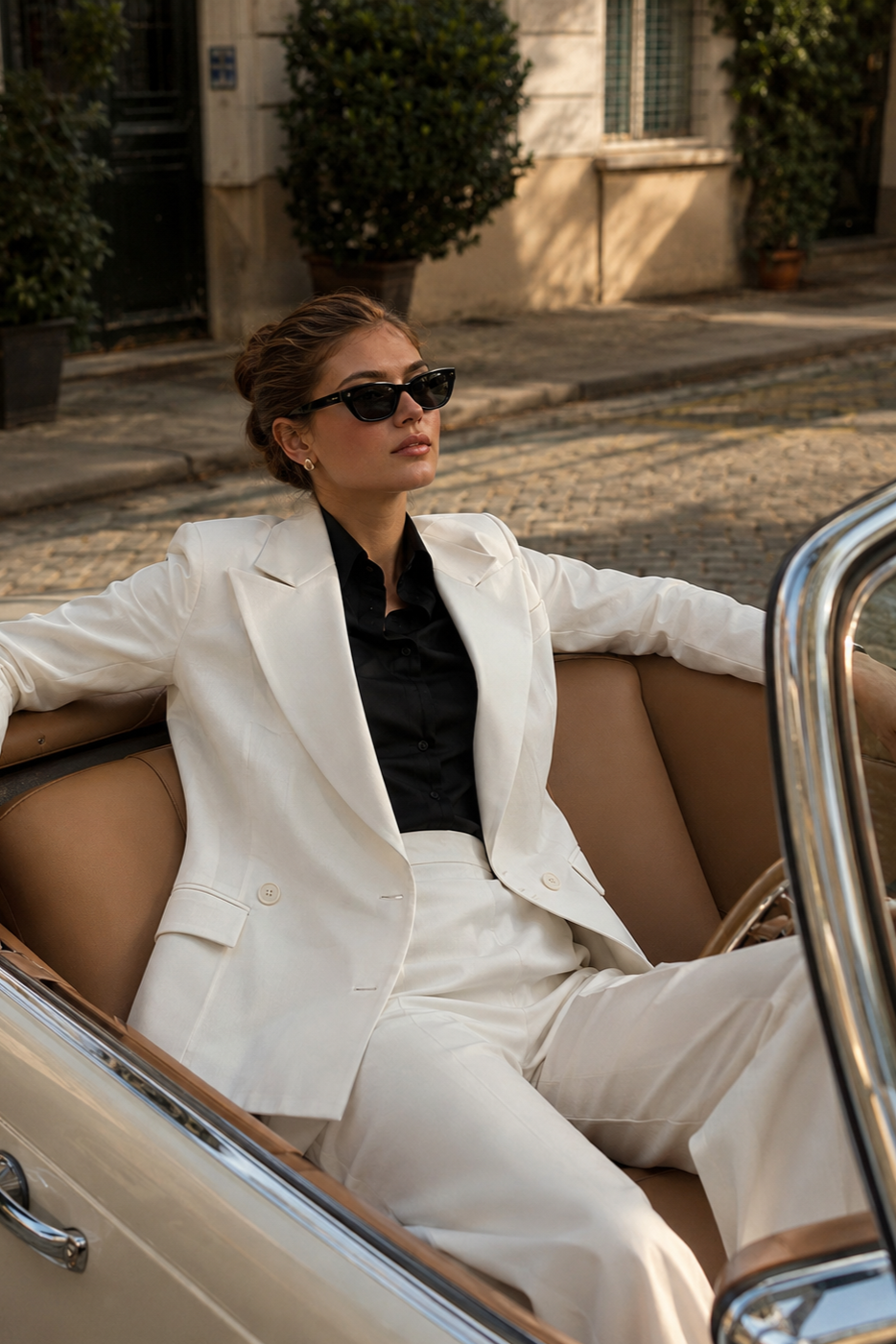
The women’s suit: choosing how to dress for your working day
A working day can include a commute, hours at a desk, a presentation and dinner. Choosing a suit for these situations means organising an outfit around real uses. Cut and cloth contribute to the impression it creates, but clothing cannot replace ability or a person’s voice. Its most useful role may be to let you concentrate on what you are there to do.

The bespoke experience: preparing for each stage
A first meeting often raises practical questions. Do you need to know exactly what garment you want, bring photographs or have a fabric in mind? A bespoke suit project can begin with an open idea and develop through a sequence of decisions. Understanding the purpose of each stage allows you to participate with confidence, without needing to know the technical language of tailoring.
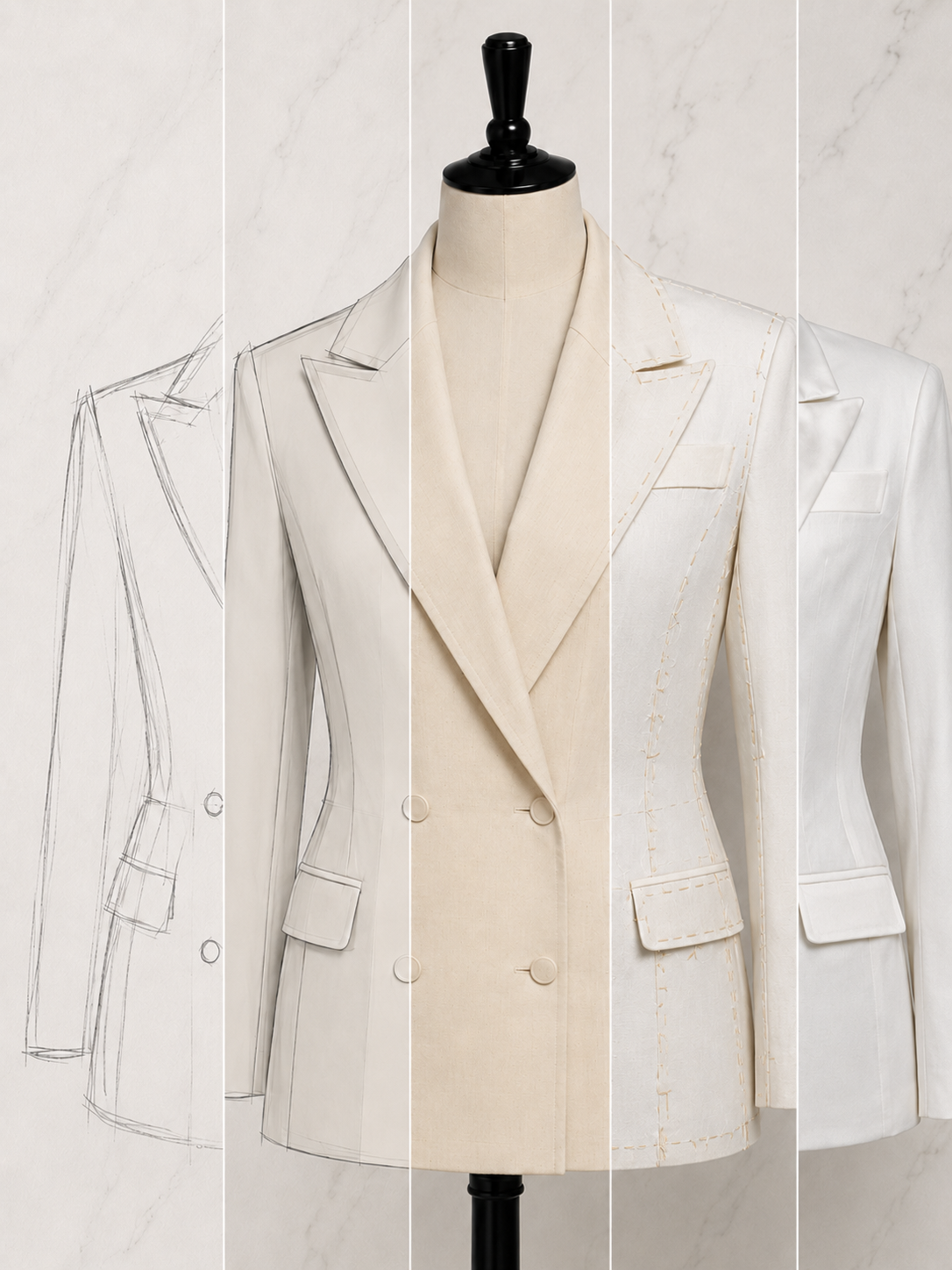
Made-to-measure and bespoke: the method behind the words
Made-to-measure, bespoke, sur-mesure and grande mesure are sometimes used as if they were interchangeable. Yet they can point towards different methods and different degrees of individual development. When commissioning a suit, the useful questions concern its starting point, the role of fittings and the decisions genuinely open to you. Precise language should clarify the offer rather than take the place of an explanation.
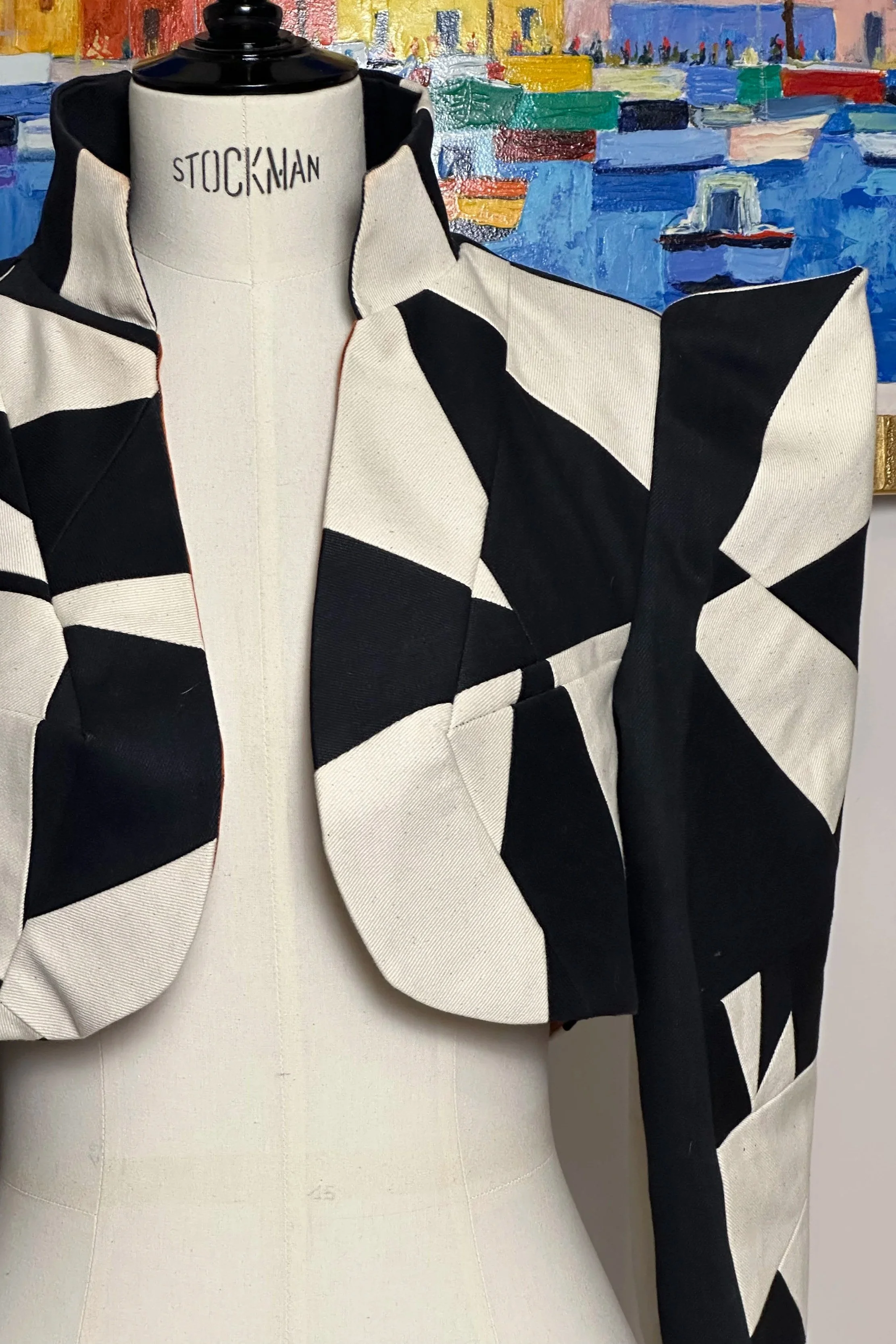
Quiet luxury: learning to look at the cut
A discreet label is not enough to establish the quality of a garment. Neither is a neutral colour. To choose a suit for what it actually brings to a wardrobe, we need to look more closely: how it sits, how the material supports the shape and what happens when we move. Quiet luxury can then become a way of observing rather than a list of visual signs to adopt.