
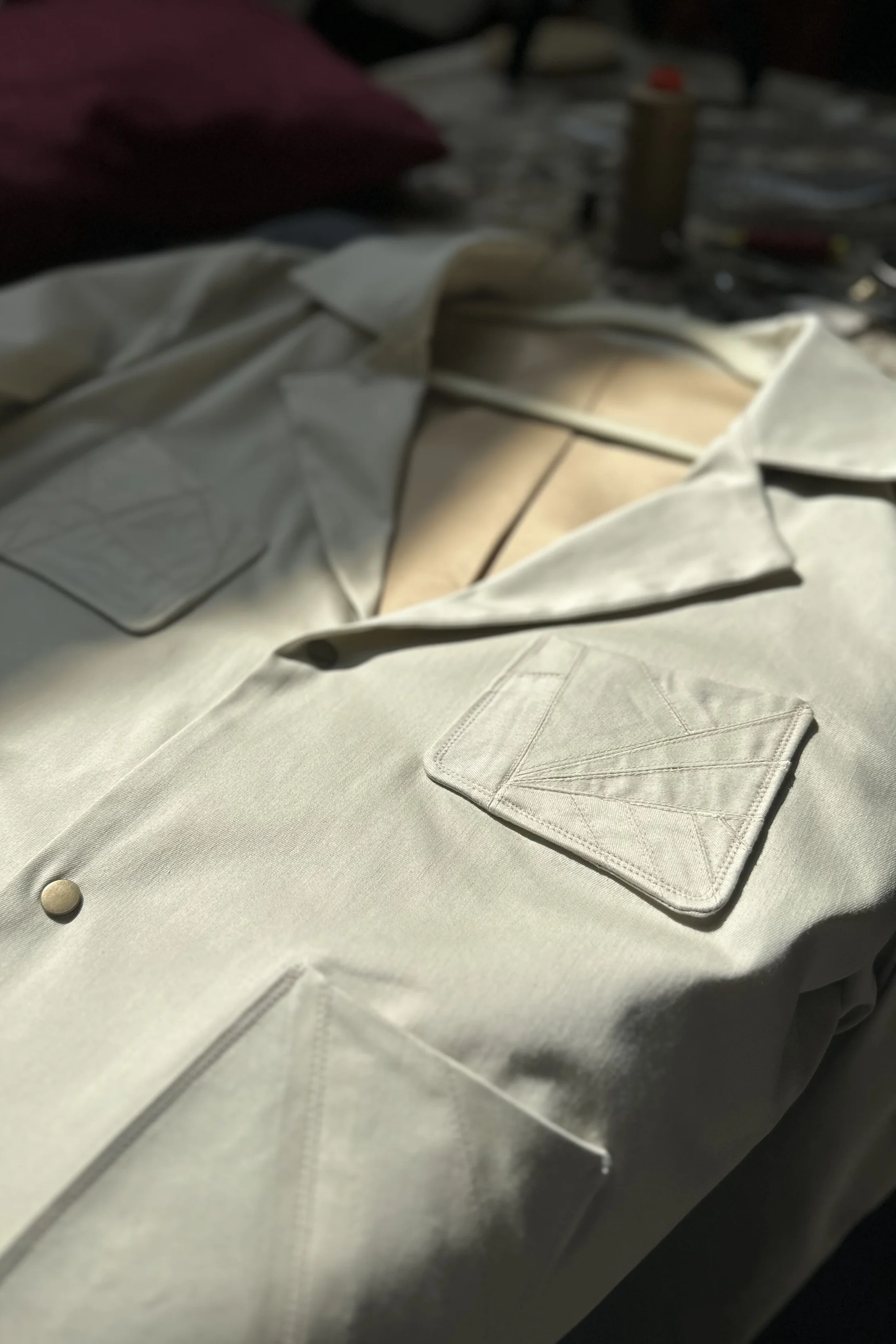
The Journal.
In its Journal, the Maison explores the history of women's tailoring, life behind the scenes at Sandra Loï, notes on style and the questions surrounding bespoke creation.
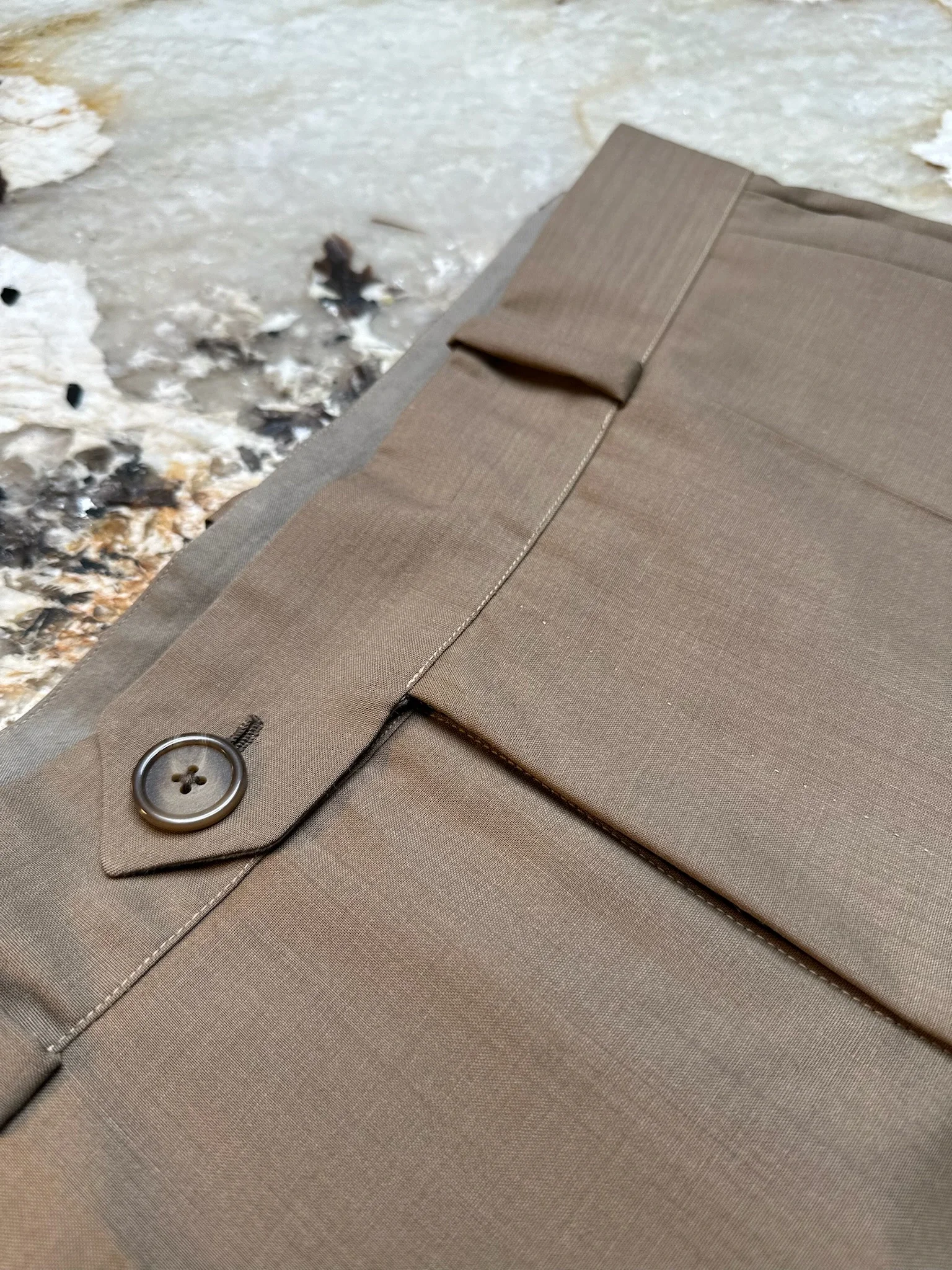
The drape of bespoke trousers: what to notice at a fitting
In a trouser suit, the drape of the lower half shapes much of the silhouette. Trousers follow a stride, fold when we sit, meet the shoe and settle again when we stand. Their drape depends on all these situations, as well as their line in a mirror. A fitting brings those observations together, seeking a balance between the suit’s intended design and the comfort the wearer actually feels.
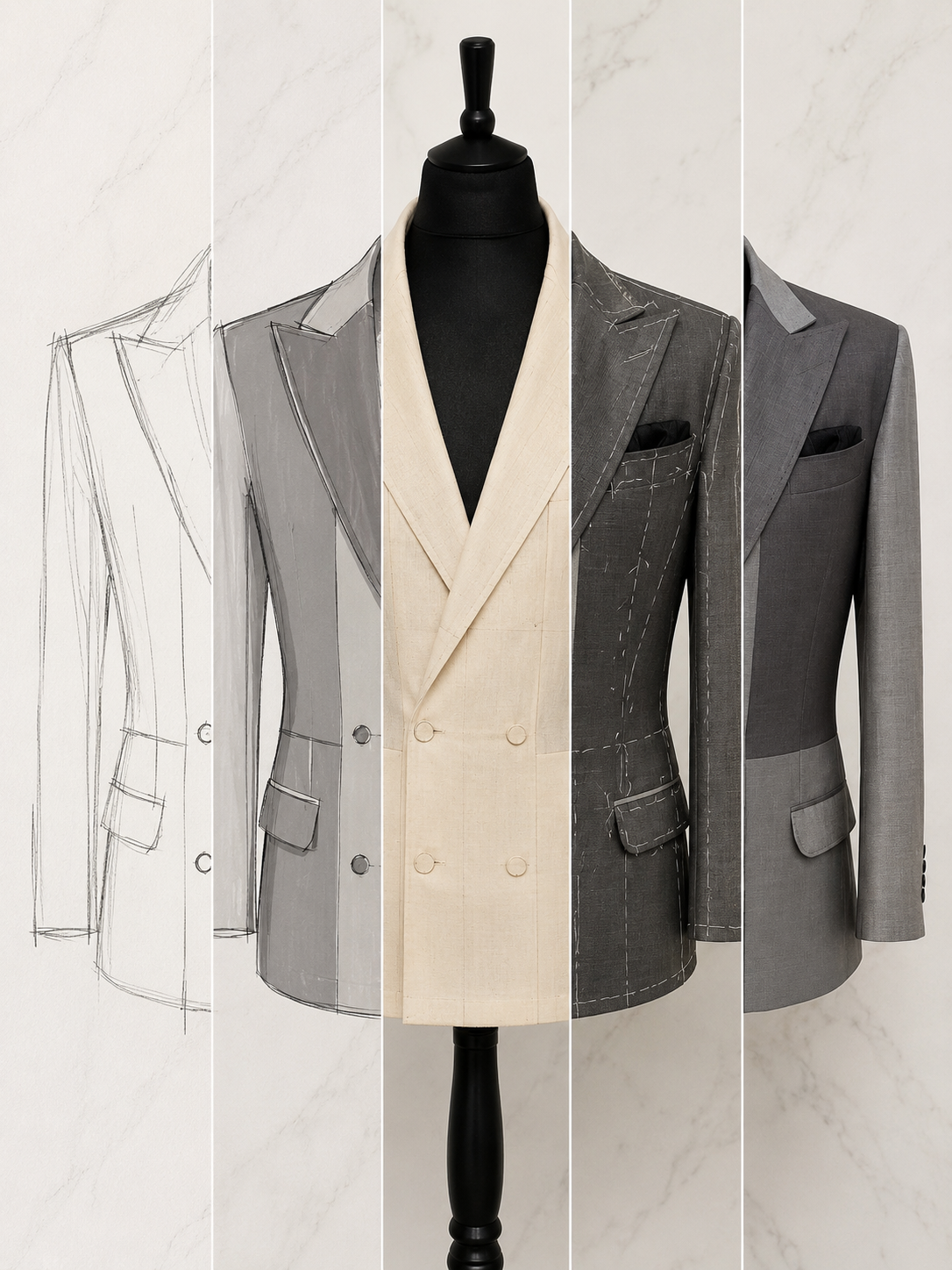
Creating a bespoke suit: understanding the time involved
How many hours does a bespoke suit take to make? The question seems to call for a number, yet two ensembles can involve very different work. The cut of the trousers or skirt, the jacket’s construction, patchwork and ornament all belong to the same project. To understand the time behind a suit, it helps to follow the decisions that develop the whole silhouette rather than look for one duration that applies to every commission.
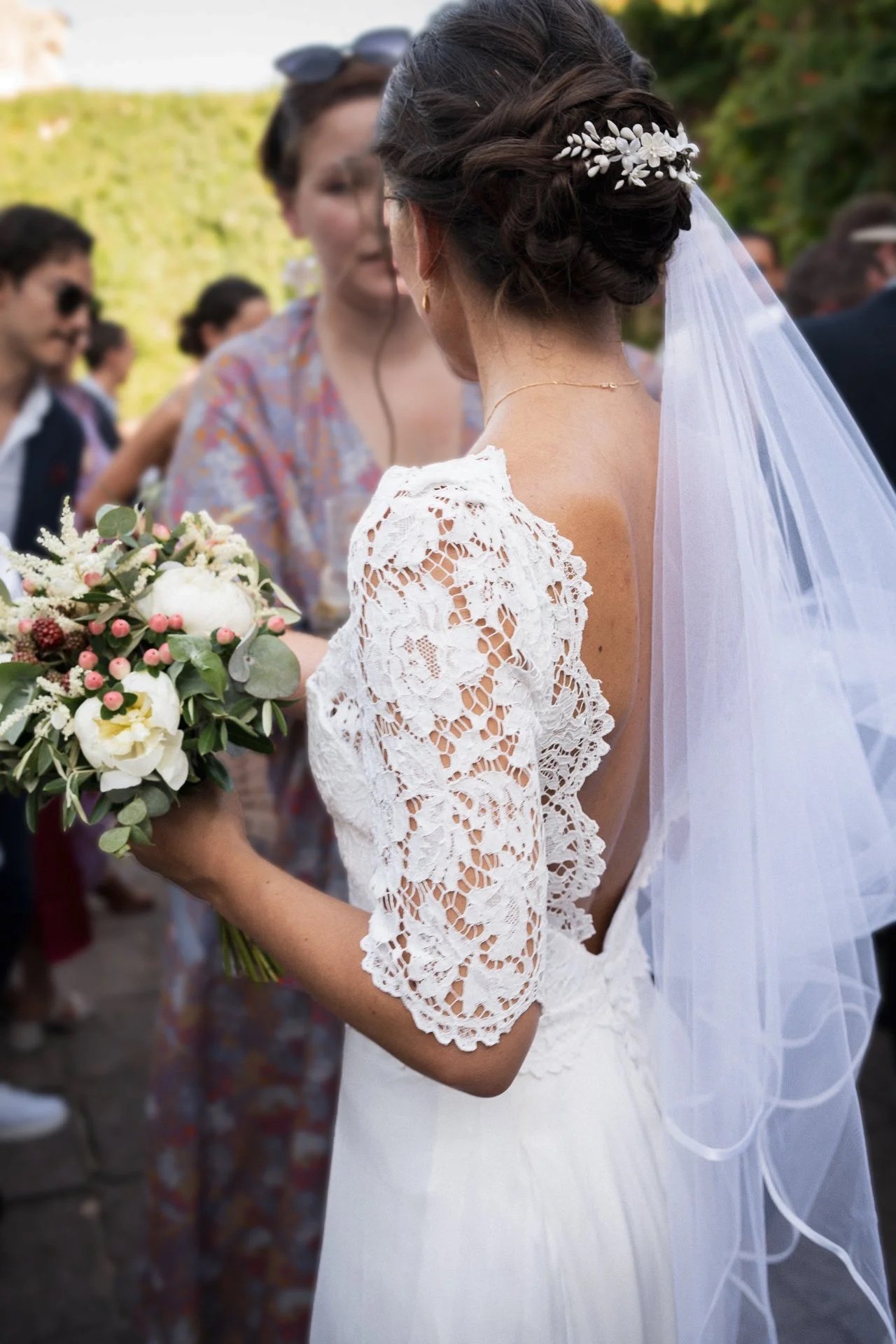
A dress or a suit for a civil wedding: start with the day itself
Choosing a civil wedding outfit becomes easier when we stop opposing the romantic dress and the assertive suit. A dress can be graphic; tailoring can be soft and delicate. The meaningful differences emerge through volume, movement and how you want to experience the day. The choice concerns an experience as much as an image, and deserves to begin there.

The women’s suit: choosing how to dress for your working day
A working day can include a commute, hours at a desk, a presentation and dinner. Choosing a suit for these situations means organising an outfit around real uses. Cut and cloth contribute to the impression it creates, but clothing cannot replace ability or a person’s voice. Its most useful role may be to let you concentrate on what you are there to do.
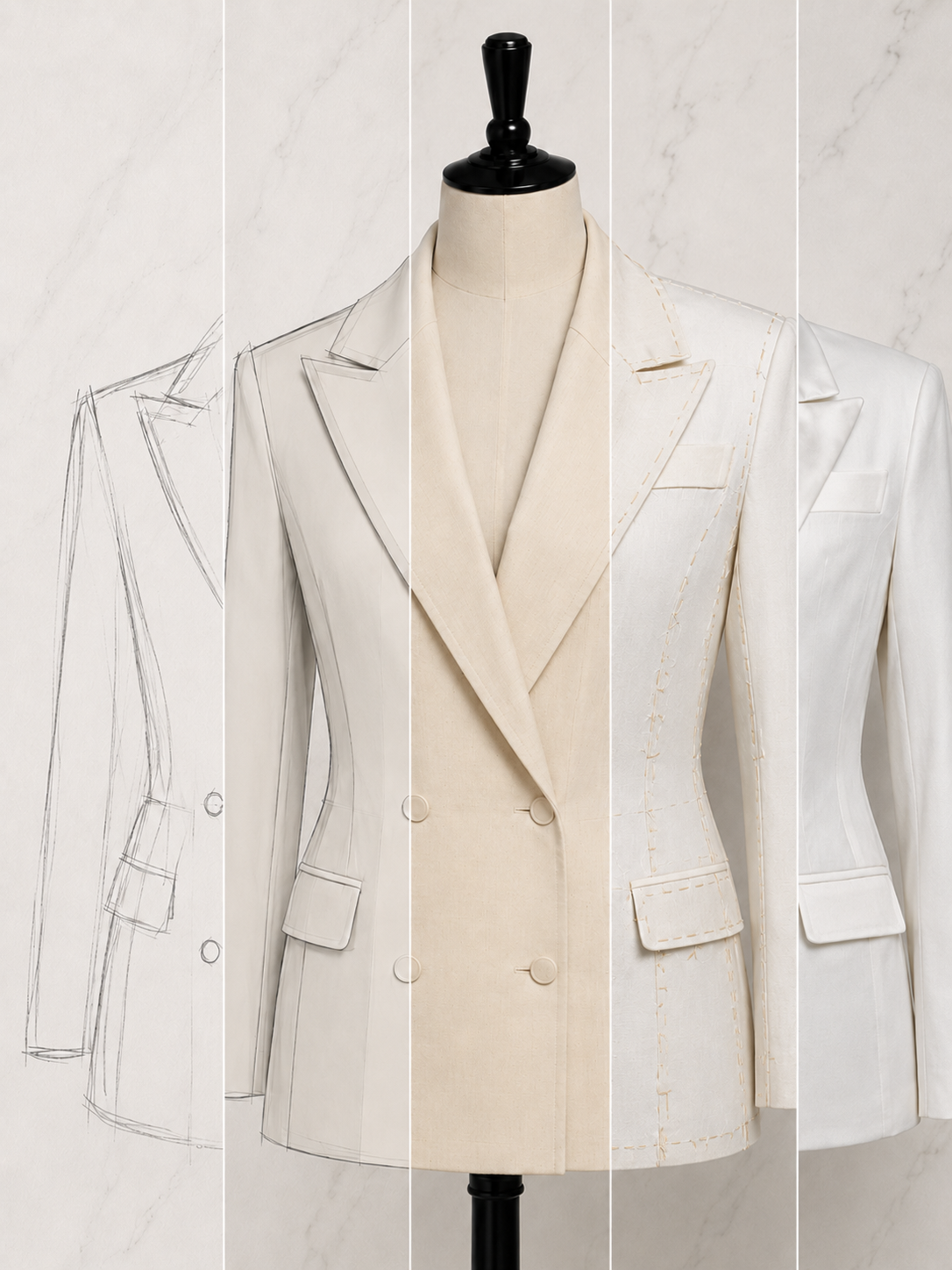
Made-to-measure and bespoke: the method behind the words
Made-to-measure, bespoke, sur-mesure and grande mesure are sometimes used as if they were interchangeable. Yet they can point towards different methods and different degrees of individual development. When commissioning a suit, the useful questions concern its starting point, the role of fittings and the decisions genuinely open to you. Precise language should clarify the offer rather than take the place of an explanation.